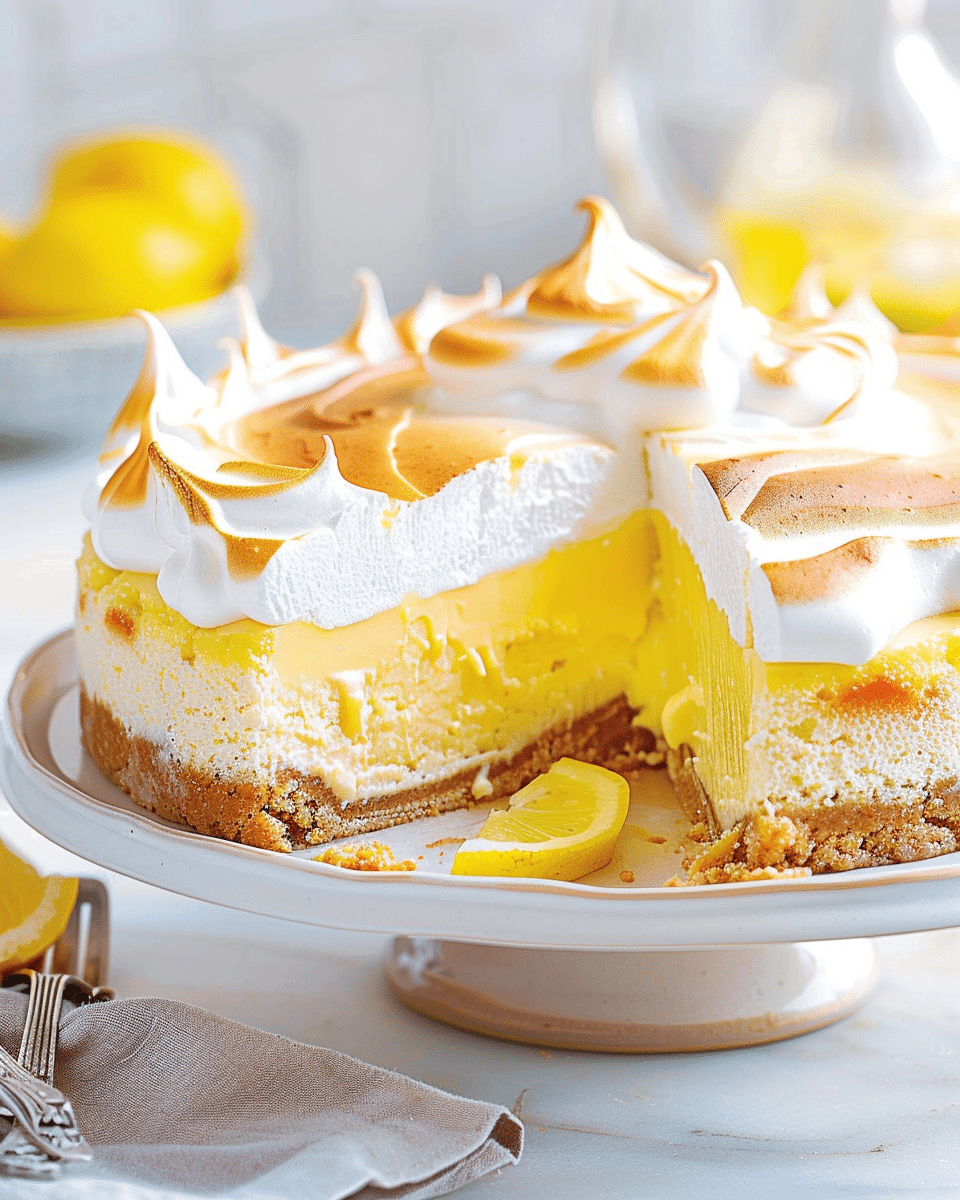
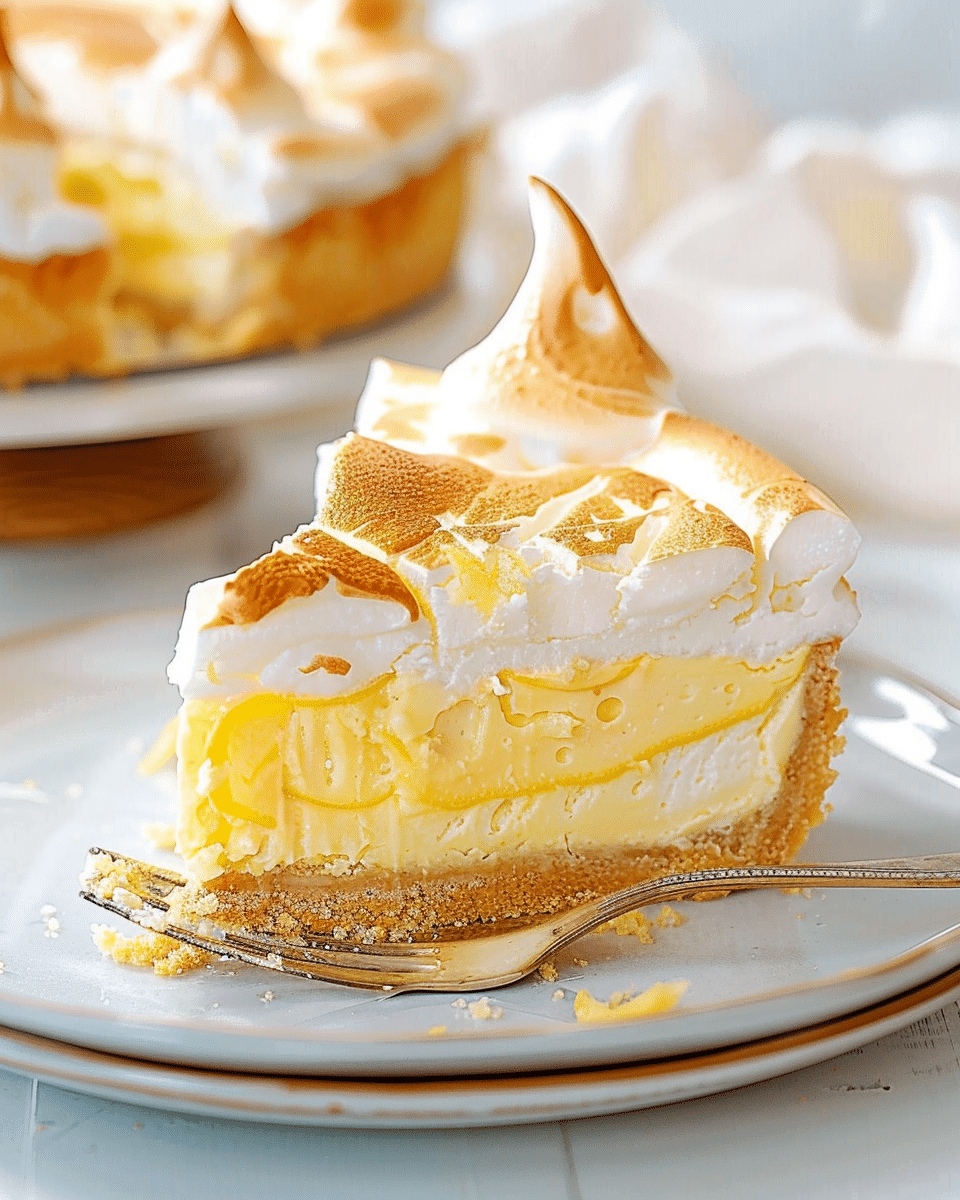
I love this cheesecake because it gives me the best of both worlds — rich and velvety cheesecake paired with tart lemon and light, fluffy meringue. It’s beautifully balanced: not too sweet, with just enough citrus to cut through the richness. Though it takes some time, most of that is chilling and cooling, and every step is worth it when I slice into that perfect, layered bite.
Ingredients
(Here’s a tip: Check out the full list of ingredients and measurements in the recipe card below.)
Crust: 3 cups vanilla wafer cookies (or 2 1/4 cups graham crackers) 6 tablespoons salted butter, melted
Cheesecake Filling: 3/4 cup granulated sugar 2 tablespoons lemon zest 24 ounces full-fat cream cheese, room temperature 1 cup sour cream or Greek yogurt 1/4 cup freshly squeezed lemon juice 1–2 teaspoons lemon extract 4 large eggs, room temperature
Topping: 1/2 cup lemon curd (store-bought or homemade)
Meringue: 3 large egg whites, room temperature 1 1/2 teaspoons lemon juice 1 1/4 cups powdered sugar
Optional garnish: Extra lemon zest or thin lemon slices
Directions
Prepare the Crust
I preheat the oven to 350°F and lightly spray a 9-inch springform pan with nonstick spray.
I process the vanilla wafers in a food processor until they’re fine crumbs. Then I pulse in melted butter until it resembles wet sand.
I press the mixture evenly into the bottom and slightly up the sides of the pan using the bottom of a glass.
I bake the crust for 10–12 minutes, just until it starts to brown, then let it cool completely.
Make the Cheesecake
I reduce the oven to 300°F and set up a water bath by placing a towel in the bottom of a large roasting pan.
I boil about 6 cups of water and set it aside.
In a large bowl, I beat the sugar and lemon zest together until the sugar smells fragrant.
I add the cream cheese and beat until smooth and fluffy, about 5–6 minutes.
I mix in the sour cream, lemon juice, and lemon extract, beating until well combined.
I add the eggs one at a time on low speed, mixing just until incorporated — no overbeating.
I wrap the outside of the springform pan in two layers of heavy-duty foil for leak protection.
I pour the cheesecake batter into the cooled crust, smooth the top, and gently tap it on the counter to release air bubbles.
I place the pan in the roasting dish, pour the hot water around it (about halfway up the sides), and bake for 75–90 minutes until just slightly jiggly in the center.
I turn off the oven and let it sit for 30 minutes inside.
I crack the oven door and let it cool for another 40–45 minutes, then transfer it to a rack and cool for another 30–45 minutes at room temp.
I spread the lemon curd gently over the top, avoiding the edges, and refrigerate for at least 4 hours or overnight.
Make the Meringue Topping
I preheat the oven to 425°F.
In a clean bowl, I beat the egg whites and lemon juice until soft peaks form.
I gradually add the powdered sugar, continuing to beat on high until stiff, glossy peaks form (about 8 minutes total).
I spoon or pipe the meringue over the top of the cheesecake, spreading it to the edges to seal in the curd.
I bake for 3–5 minutes until the tips of the meringue are lightly golden, or use the broiler for a few seconds to toast.
I cool for 10 minutes before slicing and serving.
Servings and timing
Servings: 12 Prep time: 35 minutes Cook time: 1 hour 20 minutes Chilling time: At least 4 hours (preferably overnight) Total time: ~1 hour 55 minutes plus chill Calories per serving: ~420–470 kcal
Variations
Crust: I sometimes swap vanilla wafers with ginger snaps or lemon cookies for extra citrus punch.
Filling: If I want extra tang, I add an extra tablespoon of lemon juice or swirl lemon curd directly into the batter.
Meringue: I’ve flavored the meringue with a touch of vanilla or almond extract before for a subtle twist.
Dairy-free: I’ve used dairy-free cream cheese and yogurt substitutes for a lighter version — the result is still creamy, though slightly softer in texture.
storage/reheating
I store the cheesecake in the fridge, loosely covered, for up to 4 days. To keep the meringue from weeping, I avoid covering it tightly with plastic wrap. For freezing, I skip the meringue, freeze the cheesecake, then add fresh meringue when serving. I thaw in the fridge overnight before topping.
FAQs
Can I make this cheesecake ahead of time?
Yes — I often make the cheesecake and curd layer a day or two in advance, then add and toast the meringue the day I’m serving it.
Why use a water bath?
The water bath helps the cheesecake bake evenly and gently, reducing the chance of cracks and giving it that dense, creamy texture.
Can I use store-bought lemon curd?
Definitely. I use store-bought for convenience, but homemade lemon curd adds an extra punch of flavor if I have time.
How do I know when the cheesecake is done?
It should still have a slight jiggle in the center. Overbaking can cause cracks and dryness, so I start checking around 75 minutes.
Can I toast the meringue with a torch?
Yes — I’ve used a kitchen torch to lightly brown the meringue instead of using the oven. It’s quick, precise, and fun to use.
Conclusion
Lemon Meringue Cheesecake is everything I love in a dessert — bright, rich, creamy, and topped with the fluffiest meringue. It’s a little extra, in all the best ways. Whether I’m baking for a celebration or just treating myself, this cheesecake never fails to impress. And once I slice into that lemony, cloud-topped goodness, I know it was all worth it.